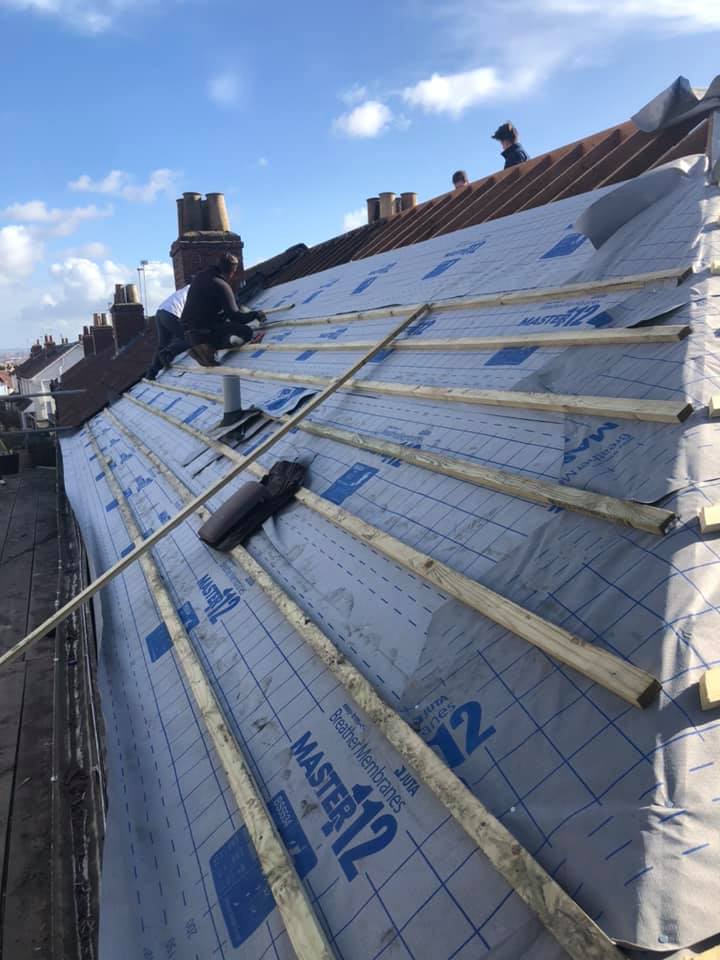

When homeowners think about roofing, attention usually focuses on tiles or flat roofing systems. However, the components that sit around the edge of your roof — fascias, soffits and guttering — play a crucial role in protecting your property from water damage, damp and structural issues.
Neglecting these roofline elements can lead to expensive repairs and long-term problems. In this guide, we explain what fascias, soffits and guttering do, why they matter, and how to recognise when they need attention.
What Are Fascias, Soffits and Guttering?
Although they are often grouped together, each roofline component serves a specific purpose.
Fascias
Fascias are the horizontal boards fixed to the edge of the roof. They support the bottom row of roof tiles and provide a secure fixing point for the guttering.
Without strong, well-maintained fascias, guttering can sag or detach, leading to water running down walls and into the roof structure.
Soffits
Soffits sit underneath the fascia board and bridge the gap between the roof edge and the exterior wall. They help protect the roof structure from the elements and allow ventilation into the roof space.
Proper ventilation reduces condensation build-up, which can otherwise lead to damp, mould and timber rot inside the roof.
Guttering
Guttering collects rainwater from the roof and channels it safely away from the property via downpipes. When functioning correctly, it prevents water from soaking into brickwork, foundations and internal walls.
Blocked, cracked or poorly aligned guttering is one of the most common causes of damp issues in homes.
Why Roofline Components Are So Important
Together, fascias, soffits and guttering form a protective barrier around your roof. If one element fails, it can affect the performance of the others.
For example, leaking guttering can cause fascias to rot, while damaged soffits can allow moisture and pests into the roof space. Over time, these issues can weaken roof timbers and increase the risk of costly structural repairs.
Common Problems Caused by Neglected Rooflines
Water Damage and Damp
Faulty guttering or damaged fascias can cause water to overflow and run down external walls. This often leads to damp patches, peeling paint and mould growth inside the property.
Left untreated, persistent moisture can damage internal plaster and timber, increasing repair costs.
Rotting Timber
Traditional wooden fascias and soffits are particularly vulnerable to rot if exposed to moisture over long periods. Once rot sets in, boards can lose strength and may need full replacement.
Modern uPVC roofline systems are often chosen as a low-maintenance alternative.
Pest and Bird Access
Gaps in soffits or damaged boards can allow birds, insects and rodents to access your roof space. Once inside, pests can damage insulation, wiring and timbers.
Poor Roof Ventilation
Blocked or damaged soffits can restrict airflow into the roof space. This can lead to condensation forming on roof timbers, increasing the risk of mould and decay.
Signs Your Fascias, Soffits or Guttering Need Attention
Homeowners should regularly check for warning signs such as:
-
Peeling paint or staining on fascia boards
-
Sagging or overflowing guttering
-
Water marks on external walls
-
Cracks, holes or loose sections
-
Birds nesting near the roofline
Spotting these issues early allows for repairs before serious damage occurs.
Benefits of Upgrading Your Roofline
Improved Protection
New fascias, soffits and guttering provide effective protection against rainwater, reducing the risk of leaks and damp.
Lower Maintenance
Modern uPVC systems don’t rot, warp or require regular painting, making them a practical, long-term solution.
Enhanced Appearance
Clean, well-maintained rooflines significantly improve the overall appearance of your home, boosting kerb appeal.
Better Ventilation
Properly installed soffits help regulate airflow, reducing condensation and extending the life of your roof structure.
Why Professional Installation Matters
Correct installation is essential for roofline systems to work effectively. Poorly fitted guttering can lead to leaks, while incorrectly installed soffits may restrict ventilation.
Professional roofers ensure all components are securely fixed, correctly aligned and suitable for your property. This provides peace of mind that your roofline will perform as intended.
Spring Is the Ideal Time for Roofline Maintenance
Spring is a great time to inspect fascias, soffits and guttering after winter weather. Clearing debris, checking fixings and repairing minor damage early can prevent larger issues later in the year.
Addressing roofline problems in spring ensures your property is protected ahead of heavier rainfall and warmer temperatures.
Protecting Your Home Starts at the Roofline
While often overlooked, fascias, soffits and guttering are essential to the health of your roof and home. Regular maintenance and timely upgrades help prevent water damage, improve ventilation and maintain the structural integrity of your property.
By investing in professional roofline services, homeowners can protect their property, avoid costly repairs and ensure their roof performs reliably all year round.