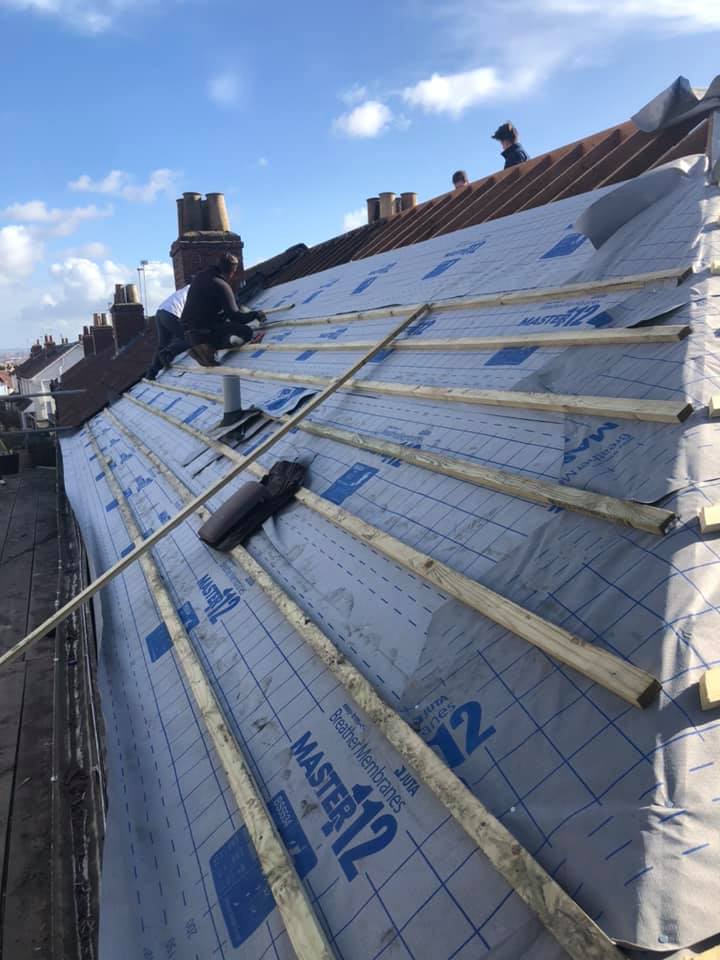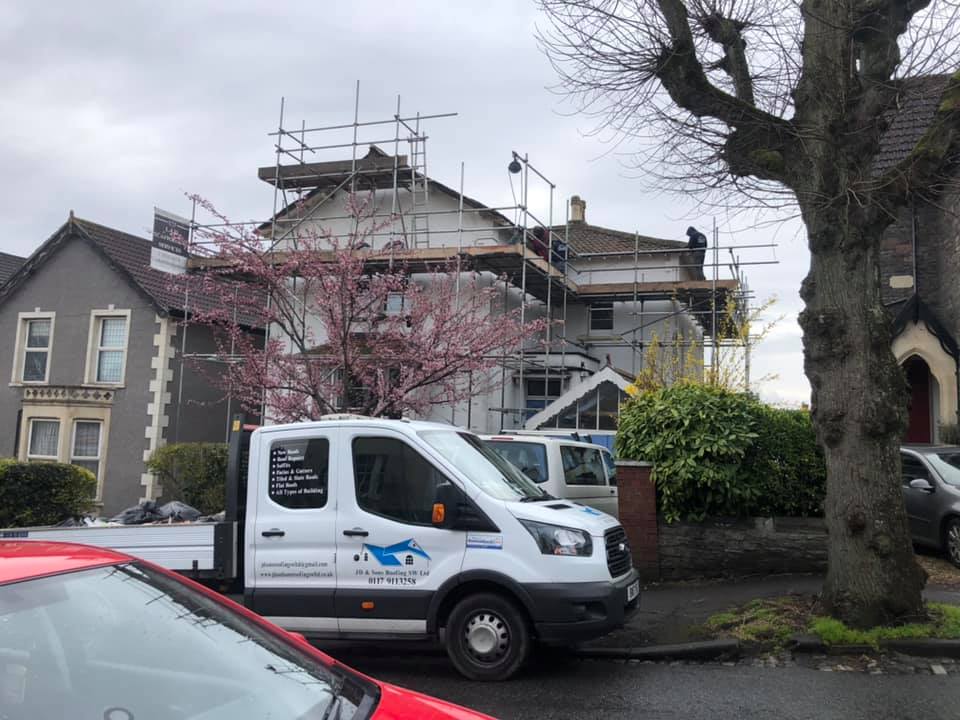

Chimneys are one of the most exposed parts of any property. Standing above the roofline, they face constant wind, rain, frost and temperature changes throughout the year. Over time, this exposure can lead to deterioration that, if left untreated, may cause leaks, structural instability and internal damage to your home.
Understanding when chimney repairs or leadwork maintenance is required can help homeowners avoid costly problems and keep their roof in good condition. In this guide, we explain common chimney issues, the importance of leadwork, and when it’s time to call in roofing specialists.
Why Chimneys Are Prone to Damage
Unlike other parts of the roof, chimneys are built from multiple materials, including brickwork, mortar, lead flashing and chimney pots. Each of these components expands and contracts at different rates, especially during winter months.
Repeated exposure to harsh weather can weaken mortar joints, crack bricks and cause lead flashing to lift or split, allowing water to enter the roof structure.
Common Chimney Problems Homeowners Should Watch For
Cracked or Deteriorating Mortar
Mortar joints hold chimney bricks together. Over time, mortar can erode due to wind, rain and frost. When mortar begins to crumble, the chimney becomes vulnerable to water ingress and structural weakness.
Repointing — replacing damaged mortar — restores stability and prevents further deterioration.
Damaged or Loose Brickwork
Bricks can crack or loosen as a result of weather exposure or underlying movement. Loose bricks pose a safety risk and can lead to more serious structural issues if not repaired promptly.
Faulty Lead Flashing
Lead flashing forms a waterproof seal where the chimney meets the roof. If flashing becomes cracked, lifted or worn, rainwater can seep into the roof, often causing leaks inside the property.
Problems with leadwork are one of the most common causes of chimney-related roof leaks.
Chimney Leaks and Damp Issues
Water entering through a damaged chimney can travel into ceilings, walls and loft spaces. Signs include damp patches, staining around chimney breasts and musty smells.
Ignoring these signs can result in timber rot and insulation damage within the roof.
Leaning or Unstable Chimney Stacks
In severe cases, weather damage and deteriorated mortar can cause chimney stacks to lean or become unstable. This is a serious safety concern and requires immediate professional attention.
The Role of Leadwork in Chimney Protection
Lead is used around chimneys because it is durable, flexible and highly effective at preventing water ingress. Properly installed lead flashing can last for decades.
However, poor installation, age or movement can cause lead to split or lift, compromising its waterproof seal. Professional roofers ensure leadwork is correctly dressed and secured, allowing it to expand and contract naturally.
When Chimney Removal May Be Necessary
In some cases, chimneys are no longer in use and may be beyond economical repair. Removing a chimney can:
-
Eliminate ongoing maintenance issues
-
Reduce the risk of leaks
-
Improve roof integrity
Chimney removal should always be carried out by experienced roofing specialists to ensure the roof is properly reinstated and weatherproofed.
Why Professional Chimney Repairs Are Essential
Chimney work is complex and often involves working at height, handling heavy materials and ensuring structural stability. Attempting DIY repairs can be dangerous and may worsen existing problems.
Professional roofers are trained to:
-
Identify hidden issues
-
Carry out safe and effective repairs
-
Ensure leadwork meets proper standards
-
Protect the surrounding roof structure
A professional assessment provides peace of mind that repairs are done correctly and safely.
Spring Is the Ideal Time for Chimney Inspections
After winter, chimney damage is more likely to become visible. Spring offers safer weather conditions for inspections and repairs, allowing problems to be addressed before heavier rainfall and warmer weather arrive.
Early intervention can prevent leaks, reduce repair costs and extend the lifespan of your chimney and roof.
Preventing Future Chimney Issues
Regular inspections and maintenance are key to keeping chimneys in good condition. Simple steps include:
-
Checking for visible cracks or loose bricks
-
Monitoring internal walls for damp patches
-
Ensuring lead flashing remains secure
-
Booking periodic professional inspections
Addressing small issues early helps prevent larger, more expensive repairs in the future.
Protecting Your Roof Starts with a Sound Chimney
Chimneys play a vital role in your roof’s structure and weatherproofing. When damaged, they can compromise the entire roofing system and lead to serious internal problems.
By recognising early warning signs and calling in roofing specialists when needed, homeowners can protect their property, maintain safety and avoid unnecessary expense.