Your roof is one of the most important parts of your home. It protects everything underneath it — your family, your possessions, and the structure of the building itself. Yet many homeowners don’t think about their roof until something goes wrong.
If you’re considering a new roof installation in Bristol or the surrounding areas, this guide will walk you through everything you need to know — from recognising when it’s time for a replacement to understanding materials, costs, and what to expect from the process.
When Do You Need a New Roof Installation?
Not every roofing issue requires a full replacement. In many cases, repairs are enough. However, there are situations where installing a new roof is the most sensible long-term solution.
Here are common signs it may be time for a new roof:
-
Your roof is 20–30+ years old
-
You’ve had repeated repairs in recent years
-
Tiles or slates are frequently slipping or cracking
-
There are visible sagging areas
-
Persistent leaks despite patch repairs
-
Significant moss growth causing deterioration
If problems keep returning, a full installation can often be more cost-effective than ongoing repairs.
Choosing the Right Roofing Material
One of the biggest decisions during a roof installation is selecting the right material. The best option depends on your property style, budget, and long-term plans.
Pitched Roof Options
Most homes in Bristol have pitched roofs. Popular materials include:
Concrete tiles – Durable, cost-effective and widely used
Clay tiles – Traditional appearance with excellent longevity
Natural slate – Premium look, extremely long-lasting
Slate is particularly popular for period and heritage properties, while concrete tiles are often chosen for modern homes due to affordability and reliability.
Flat Roof Options
Flat roofs are common on extensions, garages and commercial buildings.
Common systems include:
-
Felt roofing systems
-
EPDM rubber roofing
-
Fibreglass (GRP) roofing
Modern flat roofing materials are far more durable than older systems and can last decades when professionally installed.
What Happens During a Roof Installation?
Understanding the process can help you feel more confident about the project.
1. Initial Inspection and Quotation
A professional roofing contractor will assess your existing roof, check the structure, and provide a clear, written quotation. This should include materials, labour, timelines and waste removal.
2. Scaffolding and Preparation
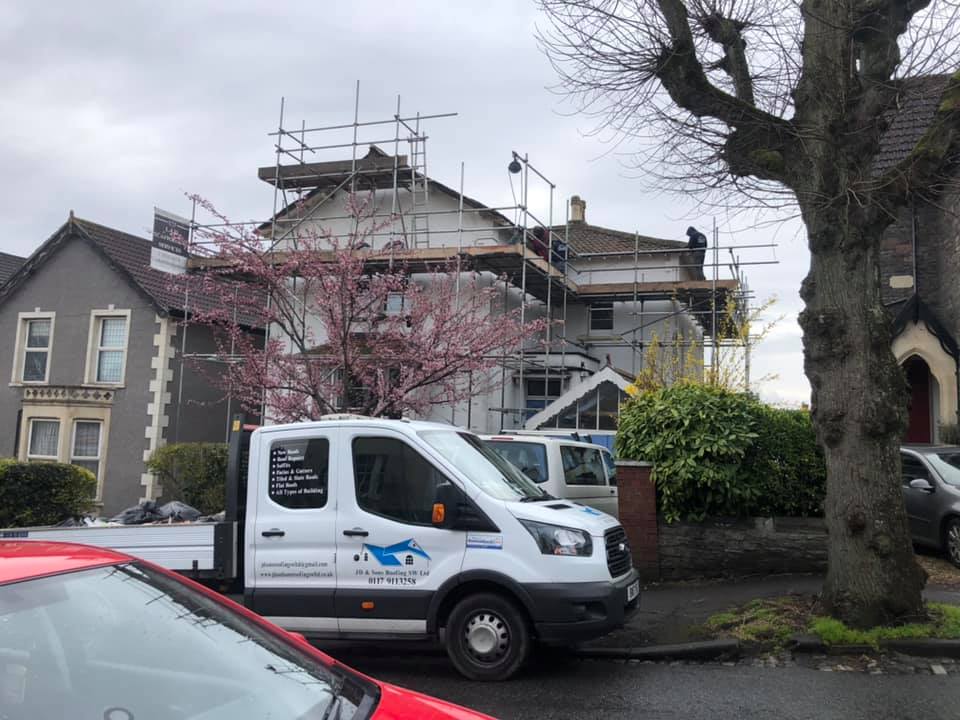
For safety and access, scaffolding is usually erected around the property. Protective coverings are put in place to shield windows, driveways and gardens.
3. Removal of the Old Roof
Existing tiles, slates and underlay are carefully removed. The roof structure is then inspected for any damage to rafters or battens.
4. Structural Repairs (If Required)
Any damaged timber or structural components are replaced before the new roofing system is installed.
5. Installation of Underlay and Battens
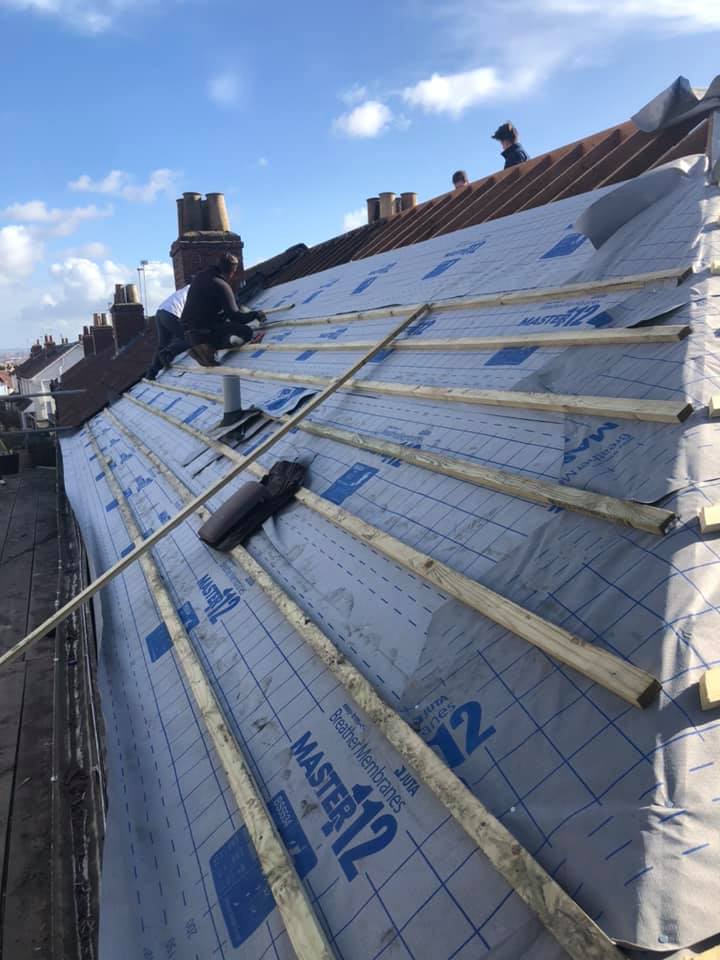
A breathable membrane is fitted to improve insulation and weather protection, followed by new battens to support the tiles or slates.
6. Fitting the New Roof Covering
Tiles or slates are securely installed according to manufacturer guidelines and UK building standards.
7. Finishing Touches
This includes ridge tiles, verge detailing, flashing, leadwork, and installation of fascias, soffits and guttering if required.
How Long Does It Take?
For an average three-bedroom home, a full roof installation typically takes 3 to 7 days, depending on weather conditions and complexity.
Larger properties or slate installations may take slightly longer.
How Much Does a New Roof Cost in Bristol?
Costs vary depending on:
-
Size of the roof
-
Type of materials chosen
-
Access requirements
-
Structural repairs needed
While it may seem like a significant investment, a professionally installed roof can last 25–60 years depending on the material. When viewed over its lifespan, the cost per year is often very reasonable.
It’s important not to choose a contractor based solely on price. Poor workmanship can lead to expensive issues later.
Why Professional Installation Matters
Roofing is not just about laying tiles. It involves structural integrity, ventilation, insulation, drainage and weatherproofing.
Incorrect installation can lead to:
-
Water ingress
-
Heat loss
-
Condensation problems
-
Structural damage
-
Voided warranties
A reputable roofing company will:
-
Be fully insured
-
Provide written quotations
-
Follow UK building regulations
-
Offer workmanship guarantees
Preparing Your Home for Installation
Before work begins, you can make the process smoother by:
-
Moving vehicles away from the property
-
Covering loft belongings to protect from dust
-
Informing neighbours of the scheduled work
-
Securing pets
Roof installations can be noisy, but disruption is temporary — and the long-term benefits far outweigh the short-term inconvenience.
The Long-Term Benefits of a New Roof
A professionally installed roof provides:
-
Improved energy efficiency
-
Better insulation
-
Enhanced kerb appeal
-
Increased property value
-
Long-term weather protection
-
Reduced repair costs
For homeowners planning to stay long-term, a new roof offers peace of mind. For those considering selling, it can significantly boost buyer confidence.
Final Thoughts
A roof installation is one of the most important investments you can make in your property. Done correctly, it protects your home for decades.
If your roof is showing signs of age or repeated problems, seeking professional advice early can prevent more serious damage and higher costs later on.
A well-installed roof isn’t just about appearance — it’s about safeguarding your home, improving efficiency, and ensuring long-term structural protection.