
When people think about roofing, their attention is often drawn to tiles, slates, and guttering. However, two of the most important—yet frequently overlooked—elements of a roof are the chimney and its associated leadwork. These components play a vital role in keeping your property watertight and structurally sound.
For homeowners and businesses in Bristol, where weather conditions can be unpredictable, maintaining your chimney and leadwork is essential for long-term property protection.
What Is Leadwork and Why Is It Important?
Leadwork refers to the use of lead sheets to seal joints and gaps in your roof, particularly around chimneys, valleys, and roof junctions. It acts as a barrier, preventing water from penetrating vulnerable areas.
Lead is widely used in roofing because it is:
- Highly durable
- Flexible and adaptable
- Resistant to corrosion
- Long-lasting (often 50+ years when properly installed)
Without properly functioning leadwork, your roof becomes far more susceptible to leaks and water damage.
The Role of Your Chimney in Roof Integrity
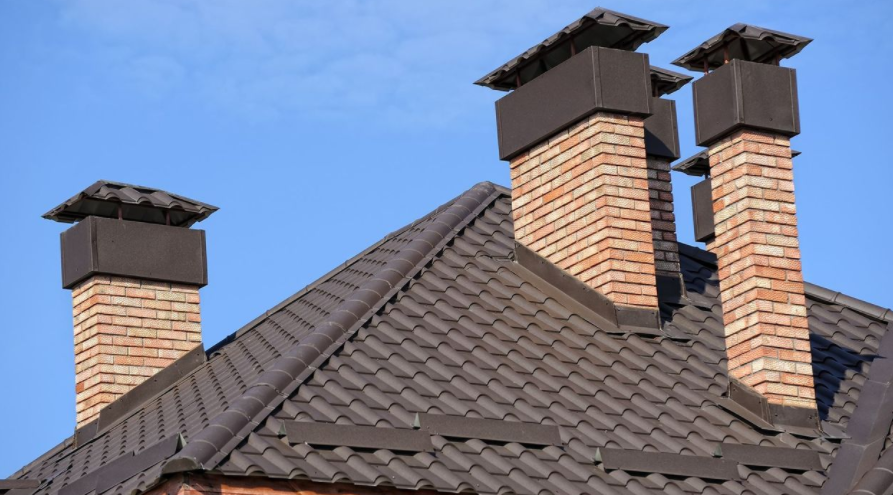
Your chimney isn’t just a feature of your property—it’s also one of the most exposed parts of your roof. Because it protrudes above the roofline, it faces constant exposure to wind, rain, and temperature changes.
Over time, this exposure can lead to:
- Cracked or deteriorating mortar
- Loose or damaged chimney pots
- Failing flashing and leadwork
- Structural instability
If left unaddressed, these issues can compromise both your roof and the interior of your property.
Common Problems with Chimneys and Leadwork
Understanding the most frequent issues can help you spot problems early and take action.
1. Cracked Mortar Joints
Mortar can wear away over time, creating gaps that allow water to enter. This is often resolved through repointing.
2. Damaged Lead Flashing
Lead flashing can crack, lift, or deteriorate, especially if it was poorly installed or has reached the end of its lifespan.
3. Water Ingress Around the Chimney
If water is entering your property near the chimney, it’s often a sign that the leadwork or flashing has failed.
4. Leaning or Unstable Chimney Stack
Structural movement can cause a chimney to lean, posing a safety risk and requiring urgent attention.
5. Blockages or Debris
Chimneys can become blocked with debris, affecting ventilation and potentially causing internal issues.
Warning Signs You Shouldn’t Ignore
Chimney and leadwork problems are not always immediately obvious, but there are several signs to watch out for:
- Damp patches on ceilings or walls near the chimney
- Visible cracks in brickwork or mortar
- Loose flashing or visible gaps around the chimney base
- Debris or fallen mortar around your property
- Water stains in loft spaces
If you notice any of these issues, it’s important to seek professional advice as soon as possible.
The Benefits of Professional Chimney Repairs
Addressing chimney and leadwork issues early can save you significant time and money in the long run.
Prevent Water Damage
Properly maintained leadwork ensures your roof remains watertight, protecting your property from leaks.
Improve Structural Safety
Repairing damaged chimneys reduces the risk of collapse or falling debris.
Extend Roof Lifespan
By maintaining these key areas, you help preserve the overall integrity of your roof.
Enhance Property Appearance
A well-maintained chimney contributes to the overall look and value of your property.
Why Leadwork Should Always Be Done by Professionals
Leadwork is a highly specialised skill that requires experience and precision. Poorly installed lead can fail quickly, leading to leaks and further damage.
Professional roofing contractors ensure:
- Correct installation techniques
- Use of high-quality materials
- Compliance with industry standards
- Long-lasting, reliable results
Attempting DIY repairs in this area can often do more harm than good.
Chimney and Leadwork Maintenance Tips
Regular maintenance can help prevent major issues and keep your roof in excellent condition.
Schedule Regular Inspections
Having your roof checked periodically allows professionals to identify and address issues early.
Repoint Mortar When Needed
Repointing helps maintain the strength and weather resistance of your chimney.
Check After Storms
Severe weather can cause damage to chimneys and leadwork, so it’s important to inspect your roof after heavy winds or rain.
Keep Gutters Clear
Proper drainage reduces the risk of water pooling around vulnerable areas.
Local Considerations for Bristol Properties
Bristol’s mix of older and modern properties means chimney and leadwork requirements can vary significantly. Older homes, in particular, may have ageing materials that require more frequent attention.
Local roofing specialists understand these differences and can provide tailored solutions to suit your property’s specific needs.
When Repairs Become Replacement
In some cases, repairs may not be enough, especially if the chimney or leadwork is severely damaged or has reached the end of its lifespan.
Replacement May Be Necessary If:
- Lead flashing is extensively cracked or missing
- The chimney structure is unstable
- Repeated repairs have failed to resolve issues
A professional assessment will help determine the most effective and cost-efficient solution.
Final Thoughts
Chimney repairs and leadwork may not always be top of mind, but they play a crucial role in protecting your property. Ignoring these elements can lead to leaks, structural damage, and costly repairs down the line.
For property owners in Bristol, staying proactive with maintenance and addressing issues early is key. By investing in professional chimney and leadwork services, you can ensure your roof remains secure, watertight, and built to last.