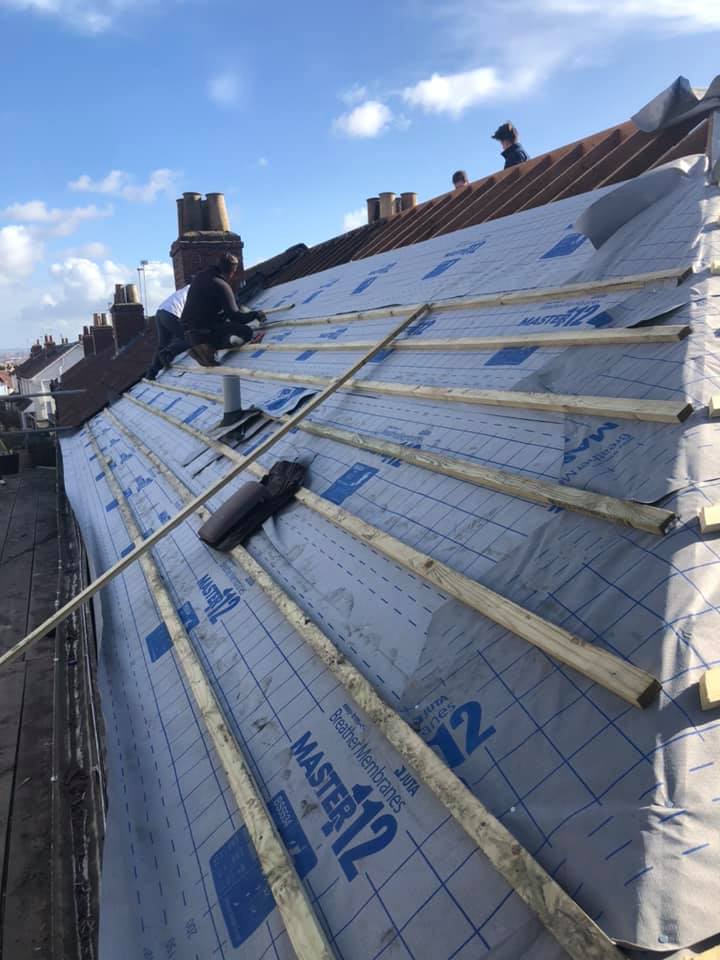
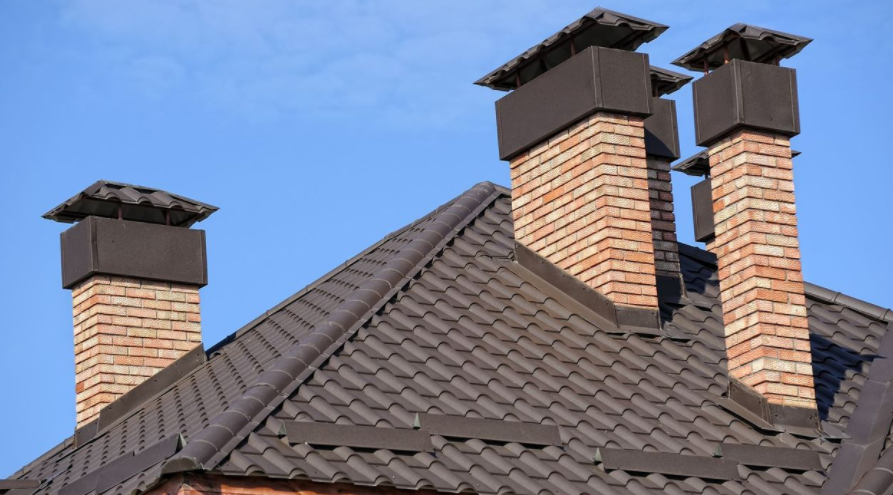
Chimneys are one of the most exposed parts of any property. Sitting high above the roofline, they face the full force of Bristol’s wind, rain and changing temperatures year after year. Despite this, they are often ignored until serious problems appear.
A damaged chimney is not just a cosmetic issue. It can allow water to penetrate deep into your home, weaken your roof structure and even become a safety hazard. In this guide, we explain the most common chimney problems affecting homes across Bristol and Somerset, why they occur, and how professional repairs can keep your property safe and weatherproof.
Why Chimneys Are So Vulnerable in Bristol
The South West experiences heavy rainfall, strong winds and regular freeze–thaw cycles during winter. These conditions are brutal on chimney structures, especially on older properties built with traditional lime mortar.
Over time, moisture works its way into tiny cracks in the brickwork. When temperatures drop, that moisture freezes and expands, causing further cracking and gradual structural failure.
Common Chimney Problems Homeowners Face
1. Failing Mortar Joints
Mortar holds the chimney bricks together. When it crumbles, gaps form, allowing water to penetrate. This process, known as pointing failure, is one of the leading causes of chimney deterioration.
2. Damaged Flashing
Flashing is the waterproof seal between the chimney and the roof. When flashing becomes loose or cracked, rainwater flows straight into your roof space, leading to damp ceilings and timber rot.
3. Cracked or Missing Chimney Pots
Chimney pots prevent rain from entering the flue. Damaged pots allow water to pour directly into the chimney, soaking brickwork from the inside out.
4. Spalling Bricks
Spalling occurs when brick faces flake away due to prolonged moisture exposure. This weakens the entire chimney stack.
5. Leaning or Unstable Chimneys
A chimney that appears to lean or sway is a serious structural concern. This usually indicates internal damage and requires urgent professional assessment.
The Hidden Risks of Ignoring Chimney Damage
A failing chimney doesn’t just affect the roof area. It can cause:
-
Internal damp and mould growth
-
Ceiling stains and peeling paint
-
Timber rot in the loft
-
Structural movement in the roofline
-
Safety hazards from falling debris
In severe cases, chimneys can partially collapse, causing extensive property damage.
How Professional Chimney Repairs Help
A qualified roofer will assess your chimney and recommend targeted solutions such as:
-
Repointing to restore mortar joints
-
Lead flashing replacement to reseal vulnerable areas
-
Brick replacement where spalling has occurred
-
Chimney pot fitting to prevent water ingress
-
Chimney capping for unused flues
These repairs not only restore weather resistance but also strengthen the chimney structure.
How Often Should Chimneys Be Inspected?
For Bristol homes, chimney inspections should take place every 12–18 months, or after severe storms. Older properties benefit from more frequent checks due to the age of materials used.
DIY Checks Homeowners Can Perform
From ground level, look for:
-
Crumbling mortar
-
Loose or missing chimney pots
-
Staining around the chimney base
-
Plants growing from joints
Any of these signs indicate the need for professional attention.
Why Local Roofing Knowledge Matters
Different areas of Bristol feature different building styles. From Victorian terraces to rural Somerset cottages, chimney construction varies widely. Local roofers understand these differences and can apply appropriate repair techniques that respect the original structure.
Protect Your Home From the Top Down
Your chimney may only occupy a small area of your roof, but the damage it can cause if neglected is enormous. By acting early and arranging professional chimney repairs, you protect your roof, your home and your family from unnecessary risk.
If your chimney hasn’t been inspected recently, now is the time to act. A small repair today could prevent a major problem tomorrow.