
Choosing the right type of roof for your property is a significant decision that can impact everything from appearance and durability to cost and maintenance. Whether you’re planning a new build, an extension, or a roof replacement, understanding the differences between flat and pitched roofs will help you make an informed choice.
For property owners in Bristol, where weather conditions can vary throughout the year, selecting the right roofing style is particularly important for long-term performance and protection.
What Is a Flat Roof?
A flat roof is almost level, with a slight incline to allow water to drain away. It is commonly used on extensions, garages, and commercial buildings, although it is increasingly popular in modern residential designs.
Key Features of Flat Roofs:
- Minimal slope for drainage
- Typically constructed using felt, rubber (EPDM), or fibreglass (GRP)
- Sleek, modern appearance
- Often used for additional outdoor space or rooftop installations
What Is a Pitched Roof?
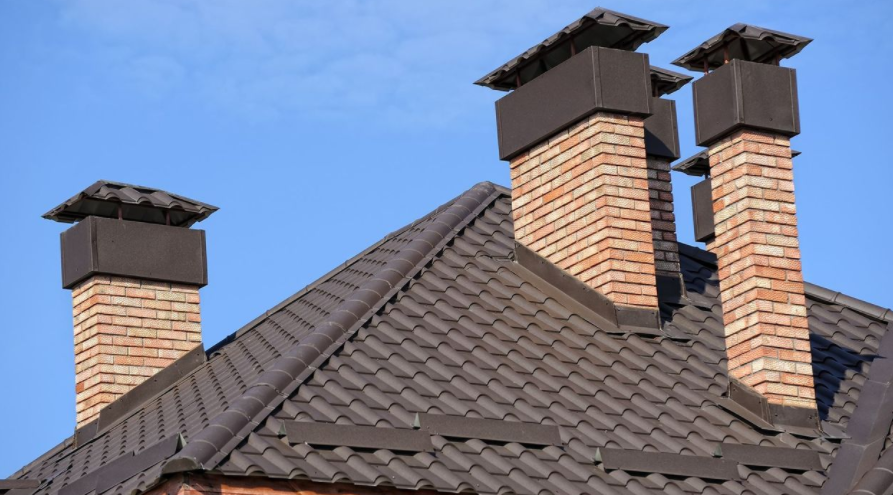
A pitched roof features a noticeable slope, allowing water to run off easily. This is the most traditional roofing style found on homes across the UK.
Key Features of Pitched Roofs:
- Steep angle for effective water drainage
- Commonly constructed using tiles or slates
- Classic, timeless appearance
- Provides additional loft or attic space
Comparing Flat and Pitched Roofs
Understanding the pros and cons of each option will help you determine which is best suited to your property.
Advantages of Flat Roofs
Cost-Effective Installation
Flat roofs are generally quicker and less expensive to install due to their simpler structure and reduced material requirements.
Modern Aesthetic
They offer a contemporary look, making them a popular choice for modern homes and extensions.
Usable Space
Flat roofs can be used for rooftop gardens, terraces, or housing solar panels and equipment.
Easy Access
Maintenance and inspections are often easier, as the surface is accessible.
Disadvantages of Flat Roofs
Drainage Challenges
Although designed with a slight slope, flat roofs can be prone to water pooling if not properly installed or maintained.
Shorter Lifespan
Flat roofing materials typically have a shorter lifespan compared to pitched roofs.
Higher Maintenance
They may require more frequent inspections and maintenance to prevent leaks.
Advantages of Pitched Roofs
Excellent Water Drainage
The sloped design allows rainwater and debris to run off easily, reducing the risk of leaks.
Longer Lifespan
Pitched roofs are generally more durable and can last significantly longer with proper maintenance.
Improved Insulation
They provide better insulation and ventilation, helping to regulate indoor temperatures.
Traditional Appeal
Pitched roofs complement the architectural style of many UK properties.
Disadvantages of Pitched Roofs
Higher Initial Cost
Installation can be more expensive due to the complexity of the structure and materials used.
Limited Accessibility
Maintenance and repairs can be more challenging due to the steep angle.
Less Usable Space
Unlike flat roofs, pitched roofs do not provide usable outdoor space.
Which Roof Is Better for Bristol Properties?
Bristol’s weather plays a key role in determining the most suitable roofing option. With frequent rainfall and occasional storms, effective water drainage is essential.
Pitched Roofs in Bristol
Pitched roofs are often the preferred choice for residential properties in Bristol due to their ability to handle heavy rain and provide long-term durability.
Flat Roofs in Bristol
Flat roofs are still an excellent option for extensions, garages, and modern builds, provided they are installed correctly using high-quality materials.
Factors to Consider When Choosing Your Roof
When deciding between a flat and pitched roof, consider the following:
Budget
Flat roofs are typically more affordable upfront, while pitched roofs may offer better long-term value.
Property Style
The architectural design of your property may influence which option is more suitable.
Maintenance Requirements
Consider how much time and effort you’re willing to invest in ongoing maintenance.
Intended Use
If you want to utilise roof space, a flat roof may be more practical.
Longevity
Pitched roofs generally offer greater durability and lifespan.
The Importance of Professional Installation
Regardless of the type of roof you choose, professional installation is essential. Poor workmanship can lead to issues such as leaks, structural problems, and reduced lifespan.
Experienced roofing contractors will:
- Assess your property and recommend the best option
- Use high-quality materials
- Ensure proper drainage and ventilation
- Deliver a finish that is both durable and visually appealing
Making the Right Decision
There is no one-size-fits-all answer when it comes to choosing between a flat and pitched roof. Each option has its own advantages and is suited to different types of properties and requirements.
For many homeowners in Bristol, a pitched roof offers reliability and long-term performance, while flat roofs provide flexibility and a modern aesthetic for specific applications.
Final Thoughts
Choosing the right roof is about balancing practicality, cost, and design. By understanding the differences between flat and pitched roofs, you can make a decision that suits your property and your long-term needs.
If you’re unsure which option is best, seeking advice from experienced roofing professionals can provide clarity and ensure your investment delivers lasting results.